International Seminar Held with Researchers from NIBIO
Date and Time: Monday, June 22, 2026, 16:20–17:50
Venue: Conference Room, 2nd Floor, Center for International Programs
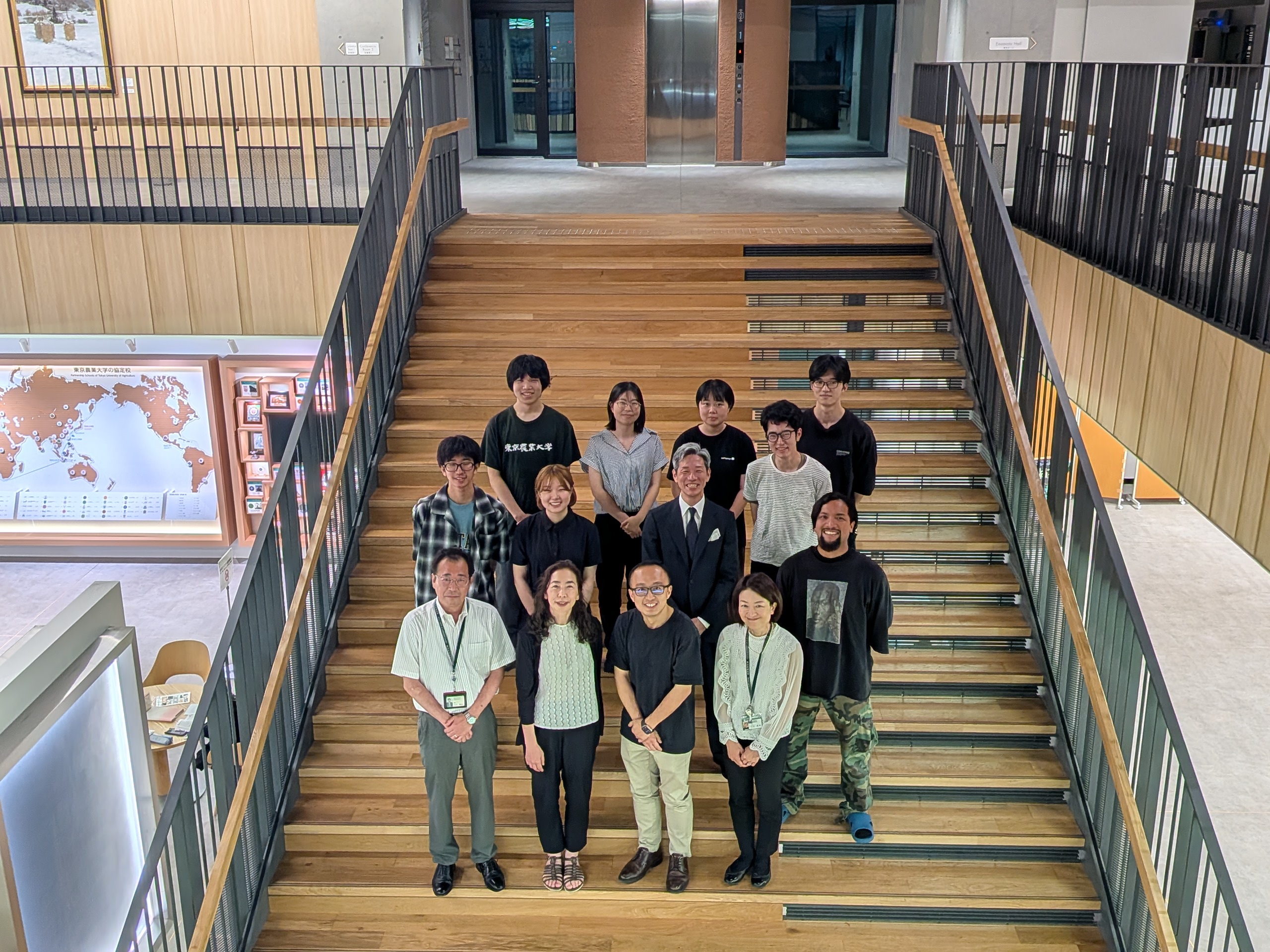
Tokyo University of Agriculture hosted an international seminar with two researchers, Dr. Lu Feng and Dr. Ikumi Umetani, from the Norwegian Institute of Bioeconomy Research(NIBIO), Norway, with which the faculty of International Food studies has recently concluded a Memorandum of Understanding(MoU)for academic exchange.
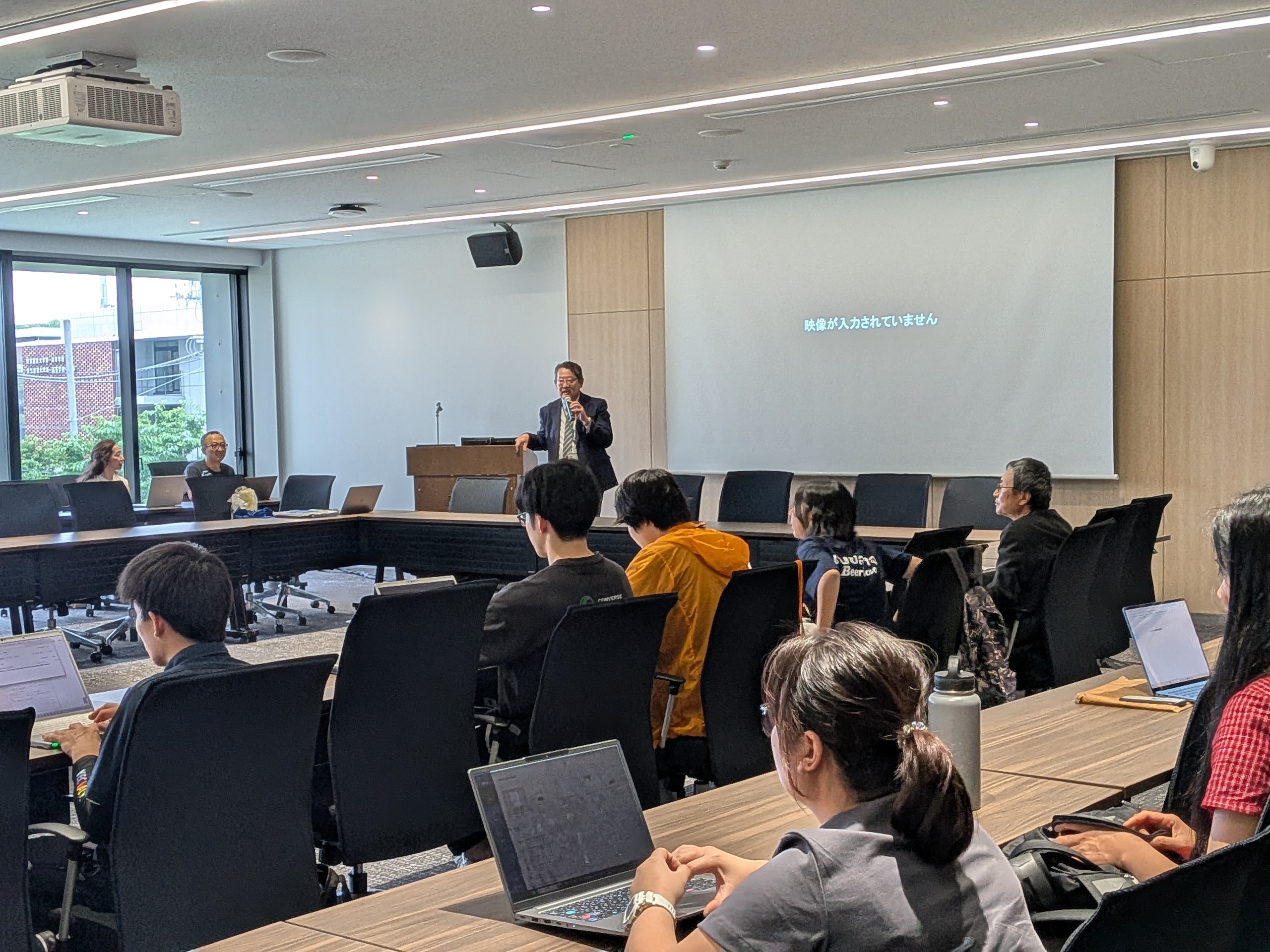
The seminar opened with remarks by Vice President Machito Mihara. In his opening remarks, Vice President Mihara introduced the university and expressed his expectations for future collaboration with NIBIO.
During the seminar, NIBIO’s research activities were introduced, including its efforts to support the transition from a linear economy to a circular economy through the effective use of biological resources and the reduction of environmental impacts. It was also explained that NIBIO conducts international collaborative research not only within Europe, but also with research institutions around the world, including those in Africa and Asia. Expectations were also expressed for future collaborative research with Tokyo University of Agriculture.
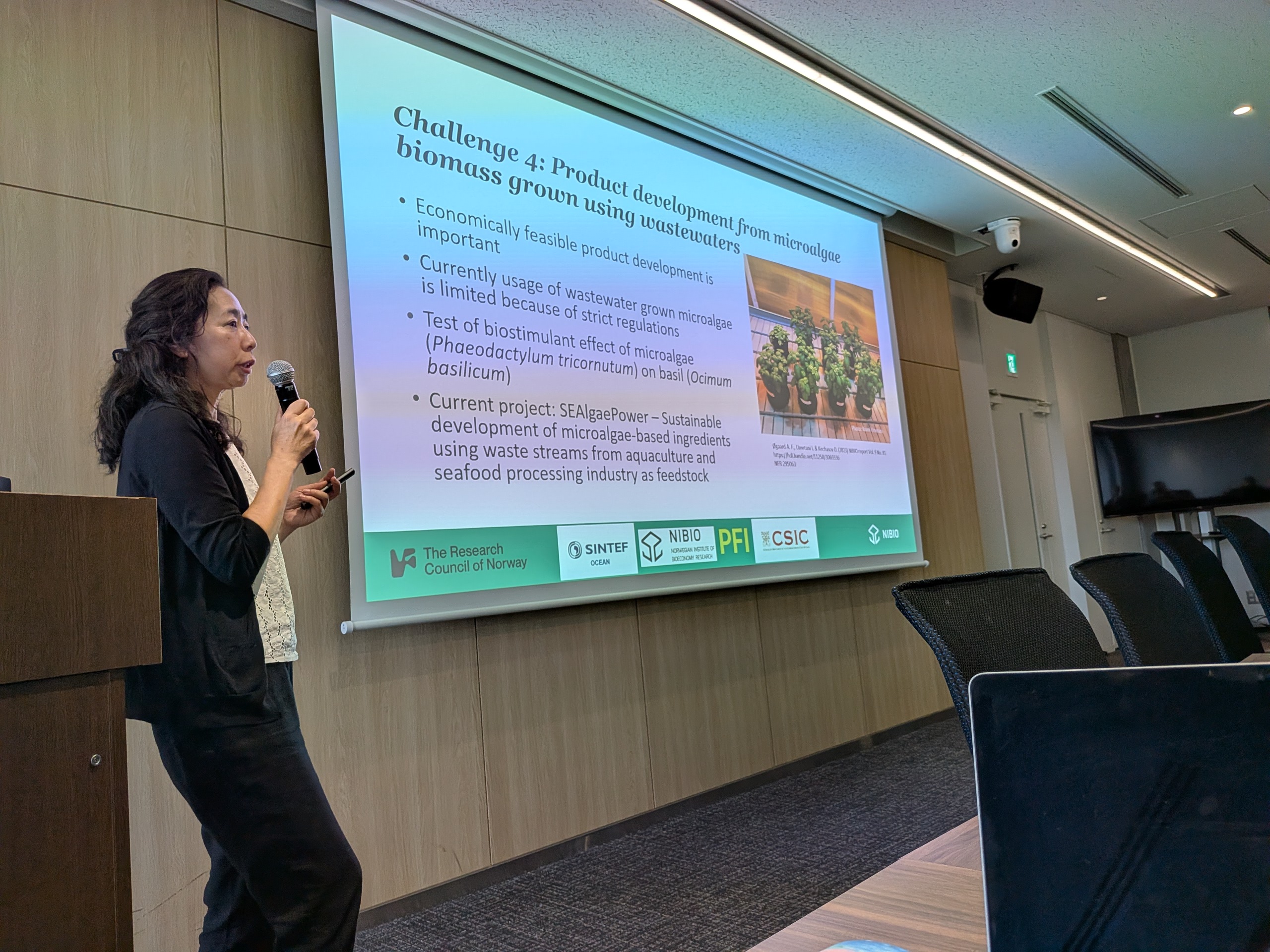
Dr. Lu Feng delivered a lecture titled “Production of Biogas and Bio-briquettes from Biowaste in Southern Ethiopia and Their Environmental Impacts.” This was followed by a lecture by Dr. Ikumi Umetani titled “Applied Microalgae Technology for Environmental Remediation.”
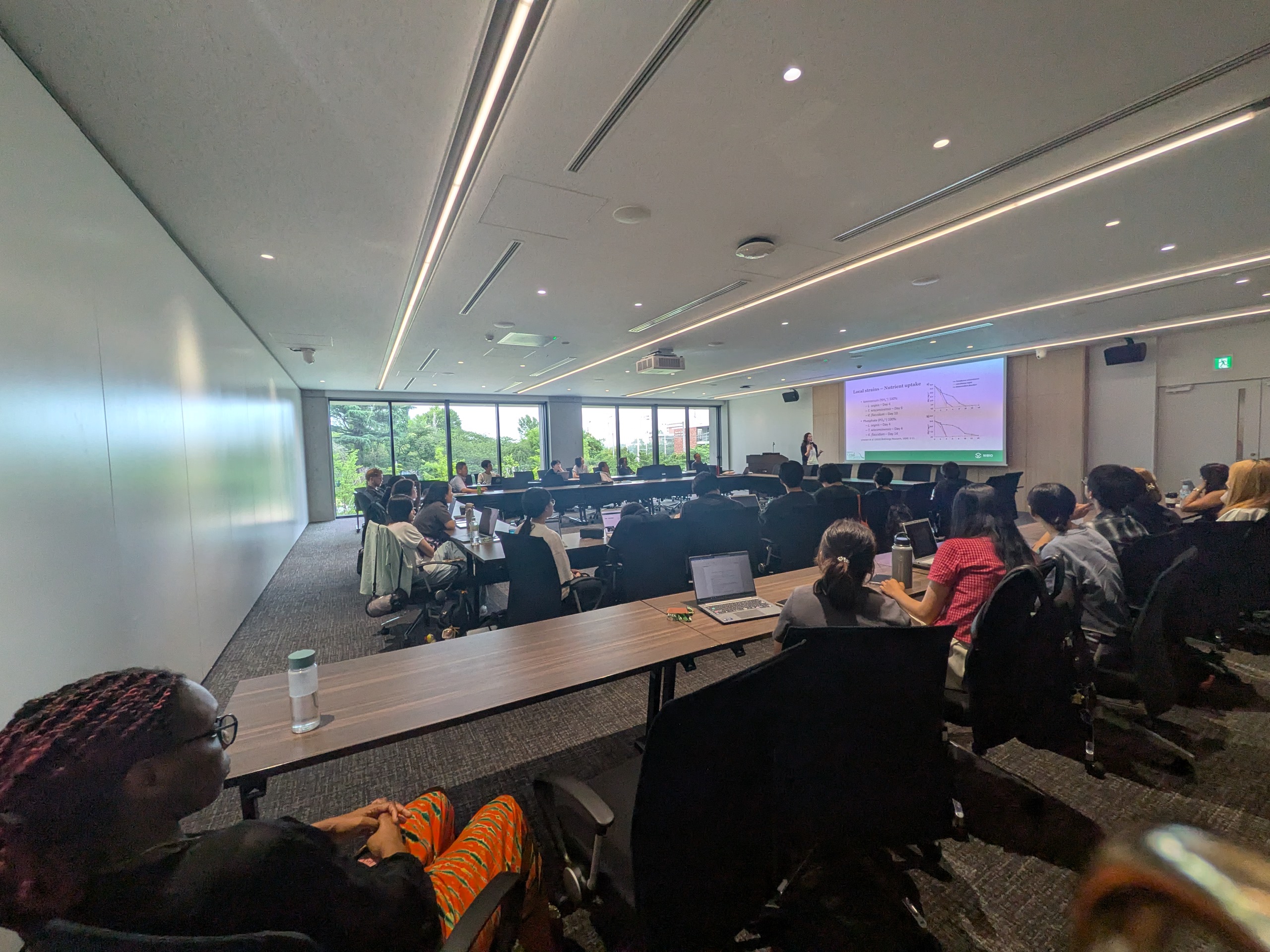
After the lectures, many questions were raised by undergraduate and graduate students, leading to an active and fruitful discussion. The seminar concluded with closing remarks by Professor Rie Miyaura, Director of CGI. In her remarks, Professor Miyaura expressed her hope that the partnership with NIBIO would serve as an opportunity for the university to further deepen its collaboration with research institutions in Europe and other regions, while promoting international joint research and expanding global learning opportunities for students.
This seminar provided students, faculty, and staff with a valuable opportunity to learn about current international research trends through exchange with a leading European research institute. It also marked an important step toward the university’s further international development.